Rice cooking has evolved significantly over the past few decades. What once required constant attention, careful timing, and a fair bit of trial and error can now be accomplished with remarkable consistency and convenience. For anyone interested in preparing rice regularly—whether for everyday meals or special occasions—understanding the right tools makes a meaningful difference in both the final result and the overall cooking experience.
The compact rice cooker represents one of the most practical innovations in home cooking equipment. These devices have become staples in kitchens across the world, and for good reason. They handle the temperature management, moisture regulation, and timing that would otherwise demand your careful oversight. Among the many options available, three-cup models occupy an interesting middle ground in the market. They’re larger than personal-sized units but significantly more compact than family-capacity machines, making them worth exploring for a variety of living situations and cooking needs.
This guide examines what makes compact rice cookers valuable kitchen tools, explores how they work, discusses practical applications, and helps you understand whether a three-cup model aligns with your cooking patterns and lifestyle.
What Is a Rice Cooker, and Why Does Capacity Matter?
A rice cooker is an automated cooking vessel designed to prepare rice using a combination of heating elements and moisture sensors that work together to manage the cooking process from start to finish. The fundamental appeal lies in consistency. Rather than managing heat levels on your stovetop, monitoring water levels, and watching for the moment cooking completes, you simply combine your ingredients, press a button, and let the equipment handle the variables.
Capacity refers to the volume of uncooked rice the machine can accommodate. A three-cup rice cooker, in this context, typically refers to the ability to cook approximately three cups of uncooked rice. This amount generally yields around six to nine cups of cooked rice, depending on the type of rice and the water ratio used. Understanding what capacity means helps you determine whether a particular model suits your household size, frequency of use, and portion expectations.
For individuals living alone, couples, or small families, a three-cup capacity strikes a practical balance. It’s large enough to prepare rice for several servings while remaining compact enough to store in typical kitchen cabinets without occupying excessive space.
Key Features of the 3-Cup Rice Cooker Category
When examining compact rice cookers designed for three cups of uncooked rice, several features typically distinguish quality models.
Heating System and Temperature Control
Modern rice cookers use either traditional resistance heating elements or induction heating technology. Traditional systems consist of a heating plate at the base of the inner cooking vessel. These are generally straightforward, reliable, and effective for standard rice cooking. The heating element responds to the cooking process stages, adjusting temperature as the rice transitions from initial heating through the cooking phase and into the warming cycle.
Induction heating, where available, creates a magnetic field that heats the inner pot directly. This approach can offer more precise temperature management, though it typically appears in mid-range to premium models rather than entry-level options.
Inner Pot Composition
The inner pot determines how heat distributes and how the rice cooks. Non-stick coatings reduce sticking and simplify cleanup, though they require careful handling to maintain their integrity over time. Some rice cookers feature specialized coatings designed to withstand the slightly acidic environment created by certain rice types or liquids used in cooking.
The thickness of the pot material influences how evenly heat distributes. A thicker pot generally provides more uniform heating, reducing the likelihood of burning on the bottom or uneven cooking throughout the batch.
Moisture Sensors and Cooking Modes
The intelligence built into rice cookers comes largely from moisture sensors that detect when the cooking liquid has been absorbed. Once this point is reached, the cooker typically transitions from a high-heat cooking mode to a lower-temperature warming function, preventing overcooking or drying out.
Many three-cup models include multiple cooking modes that allow for different rice types—white rice, brown rice, or quick-cooking varieties—each of which requires different cooking times and temperature profiles. Some models also include a steaming function that allows you to cook vegetables or proteins simultaneously with your rice.
Warmth Retention and Storage Function
Beyond cooking, the ability to maintain appropriate temperature during storage matters for both food safety and taste. Quality rice cookers include a warming mode that activates after cooking completes, keeping rice at a safe temperature without continuing to cook it further. This is particularly valuable if you’re preparing meals across an extended timeframe or want to keep rice ready for a few hours before serving.
Control Interface and Display
Three-cup models typically feature straightforward controls. Some use simple push-button mechanisms with indicator lights, while others include small digital displays showing cooking progress or remaining time. The interface should feel intuitive; most people should be able to operate the machine without consulting the instruction manual repeatedly.
Understanding the Zojirushi 3-Cup Model
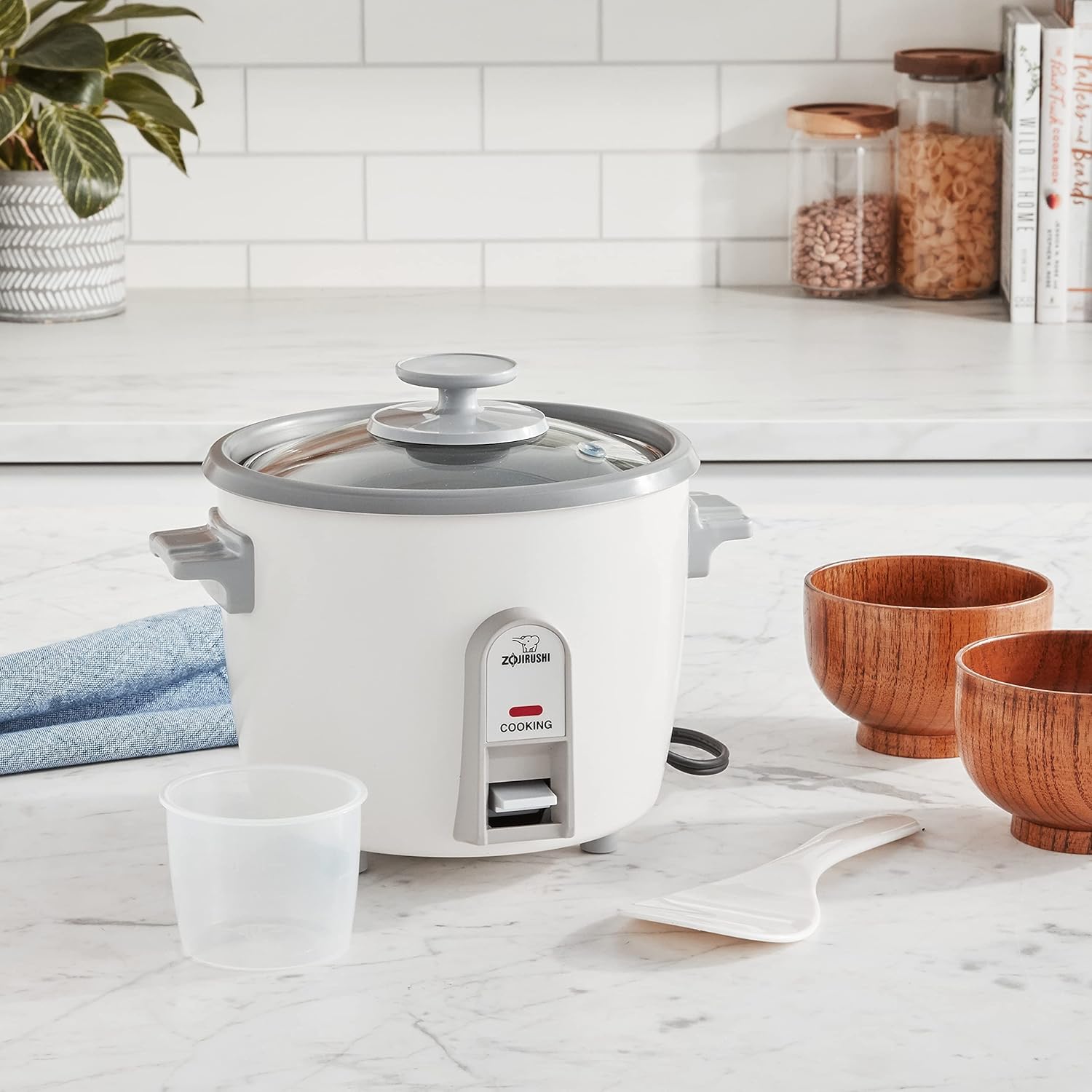
Zojirushi, a Japanese brand with decades of experience in small appliance manufacturing, has built a reputation for producing reliable kitchen equipment. Their three-cup rice cooker exists within a specific market category: the compact, straightforward rice cooker designed for regular use without premium pricing.
Design Philosophy
The brand’s approach emphasizes durability and functionality over elaborate features. A Zojirushi three-cup model typically focuses on the fundamentals: reliable heating, effective moisture sensing, straightforward operation, and materials designed to withstand regular use over years of cooking.
The white finish on the exterior matches most contemporary kitchen décor. This neutral color works in both minimalist and traditionally-styled kitchens, and it doesn’t show fingerprints as readily as darker finishes.
Typical Capacity and Output
As a three-cup model, it accommodates three cups of uncooked rice, producing approximately six to nine cups of cooked rice depending on rice type and water ratios. For many households, this single batch provides one to three meal servings, or can be stored and used across multiple meals.
Standard Features You Can Generally Expect
Most Zojirushi three-cup models include a one-touch cooking operation where you combine rice and water, press the button, and the machine manages the rest. The rice cooker automatically transitions from cooking to warming when moisture sensors detect completion, and the warming function maintains temperature until you’re ready to serve.
Inner pots typically feature non-stick coatings to prevent sticking and simplify cleanup. The exterior casing is heat-resistant, allowing safe placement on countertops during operation. A lid that sits securely helps maintain steam inside the cooking vessel during the cooking cycle.
Practical Limitations to Understand
A three-cup capacity represents a practical middle ground that isn’t optimal for every situation. If you regularly cook for large groups or prefer preparing rice in larger batches for meal prep, you might find yourself cooking multiple batches. Conversely, if you cook infrequently or live alone, you might occasionally have more cooked rice than you immediately need.
The simplicity that makes three-cup models attractive also means they typically lack the advanced cooking modes, multiple texture settings, or smartphone connectivity found in premium models. If your rice cooking needs extend to specialized varieties or multiple texture preferences, a more feature-rich option might better suit you.
Practical Applications and Usage Ideas
Understanding how to use a rice cooker beyond simple white rice preparation helps you get more value from the investment.
Daily Meal Preparation
The most common application involves preparing rice as a dinner side dish. White rice typically cooks in around fifteen to twenty minutes, brown rice in forty to fifty minutes. The ability to start the cooking process while you prepare other components means rice finishes around the same time as your proteins and vegetables, creating a synchronized meal rather than requiring staggered cooking times.
Batch Cooking and Meal Prep
Preparing rice in advance for the week ahead is a practical strategy for people with busy schedules. Cooked rice stores well in refrigerators for several days and reheats easily in microwave or on stovetops. A three-cup batch provides enough for multiple meals, particularly if rice serves as a component rather than the main element of each dish.
International Cuisine Preparation
Rice appears in dishes across countless culinary traditions. Whether preparing risotto-style rice dishes, fried rice, rice bowls, or grain-based salads, having pre-cooked rice available simplifies preparation. Some rice cookers include function settings for different rice types, which helps produce appropriate textures for various cuisines.
Steaming Additional Items
Many rice cooker models include steaming capability. While rice cooks, you can use the steaming basket (when included) to cook vegetables or proteins above the rice. This approach creates efficiency in the cooking process and reduces overall stovetop demands.
Experimenting With Grains Beyond Rice
Some people use rice cookers for cooking other grains—quinoa, millet, barley, or couscous. The moisture-sensing capabilities and controlled heating work reasonably well with various grains, though you may need to adjust water ratios or cooking times based on the specific grain.
Who This Model Might Suit Well
Certain household configurations and cooking patterns align particularly well with a three-cup rice cooker.
Small Households
Single individuals, couples, or families with young children often find three-cup capacity matches their portion needs. This size prevents excessive cooking for smaller groups while still providing enough rice for complete meals.
Apartment Dwellers and Space-Conscious Cooks
The compact footprint of a three-cup rice cooker makes it ideal for kitchens where counter or storage space comes at a premium. Unlike larger appliances, it occupies minimal real estate while remaining highly functional.
Regular Rice Consumers
People who eat rice several times weekly benefit from having a dedicated rice cooker that simplifies a task they perform frequently. The convenience factor increases as usage frequency increases.
Beginners Learning to Cook Rice
If you’re new to cooking rice or have struggled with consistency when cooking on stovetops, a rice cooker removes the guesswork. The automatic operation makes learning easier and produces reliable results.
Dorm and College Students
Students living in dormitory settings or small apartments often appreciate rice cookers because they provide hot, complete meals using minimal equipment and space. The three-cup size fits practical constraints while addressing real dietary needs.
People Exploring Asian Cuisine
Those developing interest in Japanese, Chinese, Southeast Asian, or Indian cuisine often discover that rice cookers become essential tools. The cooking performance aligns well with how rice appears in these culinary traditions.
Important Considerations Before Purchasing
While rice cookers offer genuine convenience, several factors deserve reflection before committing to any purchase.
Storage and Placement Considerations
You’ll need appropriate counter space or cabinet storage for your rice cooker. Consider whether you’ll keep it permanently accessible or store it away between uses. Permanent accessibility encourages regular use, while storage-based approaches might reduce convenience.
Actual Cooking Frequency
If you rarely cook rice or can’t envision using the rice cooker multiple times monthly, it might represent an unnecessary kitchen gadget. However, many people discover they cook rice more often once they have equipment that makes it easy and reliable.
Lifestyle and Meal Patterns
Your typical eating schedule and meal structure matter. People who frequently cook fresh meals benefit more than those who rely primarily on takeout or pre-prepared foods.
Water Quality and Local Conditions
In areas with very hard water or unusual mineral content, rice cooker performance can vary. Mineral deposits may accumulate over time, though regular cleaning typically prevents significant issues.
Maintenance Expectations
Like all kitchen equipment, rice cookers require basic maintenance. Regular cleaning of the inner pot and outer casing, occasional descaling in hard water areas, and proper handling of non-stick surfaces keeps equipment functioning well. This isn’t burdensome, but it does require awareness.
How Compact Rice Cookers Compare to Other Cooking Methods
Understanding how rice cookers fit within the broader landscape of cooking approaches provides perspective.
Versus Stovetop Cooking
Stovetop cooking offers flexibility—you can easily adjust heat, interrupt cooking if needed, and make last-minute changes. However, it demands active attention. With rice cookers, you surrender some flexibility but gain convenience and consistency. The results are typically more predictable, particularly if you’ve struggled with stovetop methods.
Versus Instant Cooking Methods
Pressure cookers and instant cooking equipment can prepare rice in ten to fifteen minutes, faster than traditional rice cookers. However, they require more attention and offer less flexibility for keeping rice warm after cooking completes. Rice cookers sacrifice raw speed for ease of use and sustained warming capability.
Versus Microwave Cooking
Microwave cooking works for small portions and emergency situations. However, it doesn’t offer the same consistency or warming capability that dedicated rice cookers provide. For regular use, a rice cooker is more practical than repeatedly using microwave methods.
Versus Large Family-Capacity Models
Larger rice cookers handle more volume but occupy more space and may seem excessive for small households. Three-cup models avoid this inefficiency while remaining functional for their intended use.
Maintenance and Care for Long-Term Performance
Like any kitchen appliance, proper care extends the lifespan and maintains performance.
Regular Cleaning
After each use, remove the inner pot and wash it thoroughly. Non-stick surfaces shouldn’t be scrubbed with abrasive tools. The outer casing can be wiped with a damp cloth. Most parts are designed for simple, straightforward cleaning rather than complex disassembly.
Descaling in Hard Water Areas
If you live in an area with mineral-heavy water, mineral buildup inside the heating chamber can eventually affect performance. Running a descaling cycle using diluted white vinegar occasionally prevents this issue. Check your instruction manual for specific guidance.
Storing the Equipment
When storing your rice cooker, ensure it’s completely dry inside and out. Store in a cool, dry location away from excessive heat or humidity. Coiling the power cord loosely prevents damage to the cord and connections.
When to Consider Replacement
Most rice cookers function well for many years with basic care. If yours stops heating properly, fails to complete the cooking cycle, or develops significant issues, replacement might be more practical than repair.
Frequently Asked Questions
What’s the difference between a rice cooker and a rice steamer?
The terms are often used interchangeably in modern usage. Technically, rice cookers combine heating and steaming functions. A dedicated steamer might operate at constant temperature, while a rice cooker uses temperature sensing to transition between cooking and warming modes.
Can I cook brown rice in a three-cup white rice cooker?
Yes. Brown rice requires longer cooking time and more water. Many rice cookers include a brown rice setting that adjusts these parameters. If your model lacks this, you can manually add extra water and allow additional cooking time, though results may vary.
How much water should I use with rice?
The ratio varies slightly by rice type and personal preference. White rice typically uses a 1:2 ratio (one cup rice to two cups water), while brown rice often needs 1:2.5 or more. Your rice cooker’s instruction manual provides specific guidance for the model you have.
Will rice stick to the bottom if I’m not careful?
Non-stick coatings on inner pots help prevent sticking, but following the proper water-to-rice ratio is important. Using the recommended ratio and not opening the lid during cooking helps ensure even cooking and prevents sticking.
How long can cooked rice stay in the warming mode?
Most rice cookers can keep rice warm safely for a few hours. For extended periods beyond that, refrigerate the rice and reheat it separately when needed.
Can I use chicken broth or other liquids instead of water?
Yes. Using flavored liquids adds taste to your rice. The ratio remains the same, though you might need slight adjustments depending on the liquid’s viscosity and salt content.
Is there a learning curve to using a rice cooker?
Minimal. Most three-cup models operate with one button: combine ingredients and press. Familiarizing yourself with water ratios for different rice types takes a bit of experimentation, but the learning curve is gentle.
What should I do if my rice cooker stops working?
Check that it’s properly plugged in and the outlet works. Ensure the inner pot is properly seated. If these basic checks don’t resolve the issue, consult the instruction manual’s troubleshooting section. If problems persist, it may indicate a malfunction requiring professional service or replacement.
Can I cook other foods in a rice cooker?
Beyond rice and grains, you can cook steel cut oats, lentils, and other legumes. Some people use rice cookers for making soups or rice porridge. Experiment cautiously and adjust liquid ratios as needed for different foods.
Is a rice cooker worth the investment?
This depends on how often you cook rice and how much you value convenience and consistency. For people who regularly prepare rice-based meals, the investment typically pays for itself through time savings and improved cooking results within the first year.
Conclusion
The three-cup rice cooker occupies a practical space in modern cooking equipment. It’s large enough to handle real meals for small households, yet compact enough for space-conscious kitchens. It removes the guesswork from rice cooking while remaining simple enough that anyone can operate it intuitively.
Zojirushi’s three-cup models align with this category’s appeal: reliable, functional equipment that handles the fundamentals well without pretense or unnecessary complexity. Whether you’re a busy professional looking to simplify meal preparation, a student living with limited cooking resources, a small household wanting consistent results, or someone exploring international cuisine, this category of rice cooker warrants consideration.
The decision ultimately depends on your actual cooking patterns, available space, and how much you value convenience in a specific task. If rice appears regularly in your meals and you’ve struggled with inconsistent stovetop results, this type of equipment genuinely simplifies your cooking process. If rice hardly ever enters your kitchen, it might remain an unused gadget.
For those who’ve determined their needs align with what a compact rice cooker offers, you can check more details on Amazon here to explore this model’s specific specifications, current availability, and customer feedback from other users.